
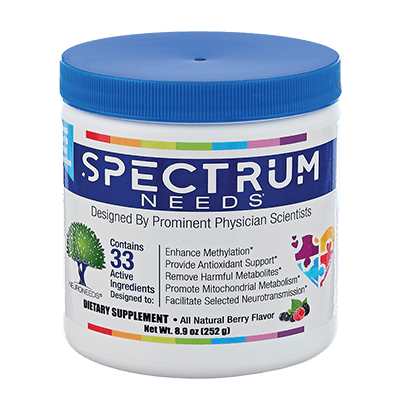
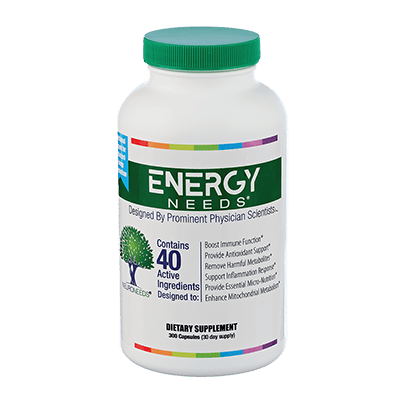
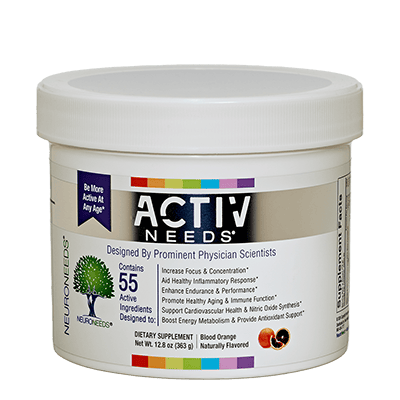
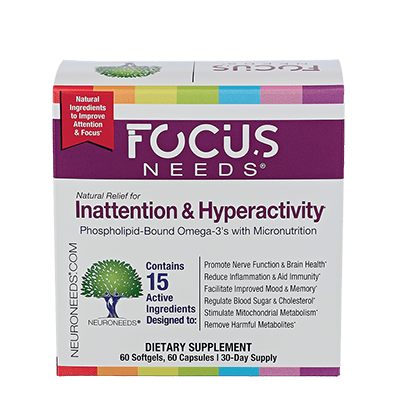

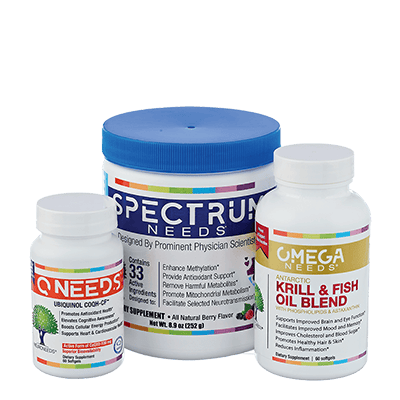
 What Is SpectrumNeeds®?
 What Is ActivNeeds?
 What Is EnergyNeeds®?
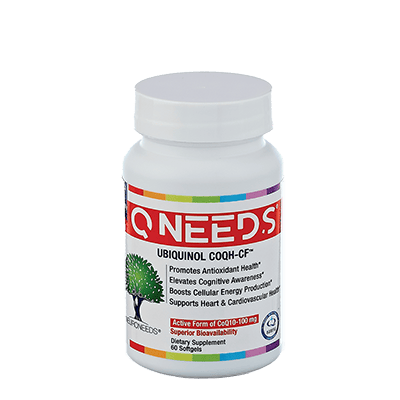
 What Is QNeeds®?
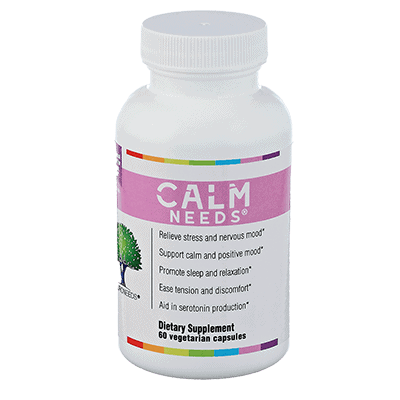
 What Is CalmNeeds®?
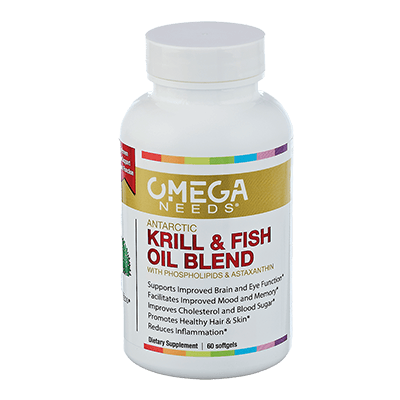
 What Is OmegaNeeds™?
 What Is FocusNeeds™?
 What is FolinicNeeds®?
 Products By Condition
 Blog
Blog About NeuroNeeds Video
 Products Guide
 Medical Advisory Committee
 Research
 Find A Doctor
Folate
(ALSO KNOWN AS VITAMIN B9, INCLUDING VARIETIES OF ACTIVATED FOLATE, SUCH AS FOLINIC ACID (LEUCOVORIN) AND 5-METHYLTETRAHYDROFOLIC ACID)
Folate, also known as vitamin B9, is one of the eight B-complex vitamins. Folate cannot be manufactured by humans and is obtained exclusively from the diet. Folate is a cofactor for a wide range of enzymes, including enzymes in DNA and RNA synthesis. Folate also has important roles in DNA methylation, redox metabolism, and blood cell formation. Folate deficiency can present as fatigue, weakness, irritability, lethargy, headache, depression, palpitations, shortness of breath, constipation, frequent illness, mouth sores, and/or large-cell (megaloblastic) anemia. In addition to poor diet, gastrointestinal conditions, pregnancy, and certain genetic variants (SNPs, pronounced as “snips”) can predispose towards folate deficiency. Activation is slow in humans, and highly variable between people based on the presence or absence of certain gene SNPs, including in the MTHFR gene. High doses of inactivated folate can result in side effects in people with slowed activation. Folate is widely prescribed to reduce the risk of birth defects, especially neural tube defects. In addition, folate is often recommended for a multitude of different diseases and situations. FolinicNeeds® contains no inactivated (synthetic) folate, and instead contains activated folate in the forms of folinic acid (leucovorin) and 5-methyltetrahydrofolate (5-MTHF), which require no conversion and thus are safe in people with the common SNPs. Folinic acid is unique as it can cross the blood-brain barrier independent of the cerebral folate transporter, which is often blocked by autoantibodies, especially is people with autism. Multiple pilot studies, including three that are double-blind placebo-controlled, suggest that folinic acid can improve core symptoms of autism (communication, sociability, and behavior), at least in some. Side effects are rare with the type and dosing of folate used in FolinicNeeds®.
Folate in FolinicNeeds®
The principal ingredients of FolinicNeeds® are two activated forms of folate (vitamin B9):
- Folinic acid, also known as folinate or leucovorin.
- L-5-methyltetrahydrofolate, also known as L-methylfolate
Activated folate is added given the important role of folate in DNA synthesis, methylation, and energy metabolism, as well as existing data regarding its use in ASD. Note that FolinicNeeds® contains no synthetic folic acid, the inactive form of folate.
Side effects are unexpected with the type and dosing of folate in FolinicNeeds®.

Folate, also known as vitamin B9, is one of the eight B-complex vitamins. Folate cannot be manufactured by humans and is thus a true vitamin, obtained exclusively from the diet. Synthetic forms of folate found in many over-the-counter dietary supplements are often referred to as “folic acid”. Synthetic folic acid is inactive and requires enzymes (e.g., DHFR, MTHFR) for conversion to active forms of folate. Folinic acid/leucovorin and L-5-methyltetrahydrofolate are activated forms of folate.
Folinic acid (folinate, leucovorin) is a form of folate that can cross the blood-brain barrier to enter brain independent of the brain folate transporter. In brain, folinic acid is readily converted to activated folate without DHFR or MTHFR.
Folate is an enzyme cofactor, which means that it is a necessary component for enzyme function. Folate is a cofactor in a wide range of enzymes, especially including those in both DNA and RNA synthesis. Folate is also essential for DNA methylation, and thus has a critical role in gene expression (in determining which genes are activated). In addition, folate plays important roles in redox metabolism, and the formation of different types of blood cells.
Folate deficiency can present as fatigue, weakness, irritability, lethargy, headache, depression, palpitations, shortness of breath, constipation, frequent illness, mouth sores, premature greying hair, and/or megaloblastic (large red blood cell) anemia. In addition to poor diet, gastrointestinal conditions that affect vitamin absorption can lead to folate deficiency. In addition, some people have genetic variants (e.g., in MTHFR) that hinder the body in activating dietary folic acid. A developing fetus requires a lot of folate, and deficiency is relatively common during pregnancy.
If the carrier that transports folate into brain is blocked by autoantibodies and/or has genetic defects, folate can be normal or even elevated in the blood yet deficient in the brain. Brain folate deficiency can result in autism, seizures, and movement disorders, among other conditions.
The inactivated form of folate (generally referred to simply as “folic acid”) is the form supplemented in food and in most food supplement (“vitamin”) products. Folic acid must be activated by conversion in the liver to various derivatives of tetrahydrofolate by the enzyme dihydrofolate reductase (DHFR) in order to have biological function as an enzyme cofactor. The activity of DHFR is unusually slow in humans compared to in other mammals, with substantial variation in enzymatic activity between different people based on the presence or absence of certain gene variants (including Single-Nucleotide Polymorphisms or SNPs, pronounced as “snips”). Methylenetetrahydrofolate reductase (MTHFR) takes the active forms of folate created by DHFR and converts them into methylfolate, which is essential for DNA synthesis, cell division, and controlling homocysteine levels. SNPs in MTHFR that decrease the rate of that enzyme are common in the human population.
Folinic acid (folinate, leucovorin) is a 5-formyl derivative of tetrahydrofolic acid, and is readily converted to activated folate derivatives without the action of DHFR or MTHFR. Unlike other forms of folate, folinate can cross the blood-brain barrier independent of the brain folate transporter. Thus, folinate can both serve as a source of activated folate independent of DHFR and MTHFR, and provide activated folate for the brain in individuals with folate transporter deficiency.
FolinicNeeds® contains only activated folate in the forms of folinic acid and L-5-methyltetrahydrofolate.
Folate is a water-soluble vitamin and thus considered to be generally non-toxic. However, depending on the individual’s genetic markers (SNPs), high doses of inactivated folic acid (not present in FolinicNeeds®) might cause abdominal cramps, diarrhea, nausea, rash, sleep disorders, irritability, confusion, excitability, anxiety, insomnia, headaches, and other side effects. In particular, in individuals with common MTHFR gene variants, unmetabolized folic acid can accumulate in the blood and contribute towards side effects (PubMed 40130142). Note that the side effects listed above associated with synthetic folic acid are all signs of neuronal hyperactivity.
However, high dosing of folinic acid can result in some of the same signs of neuronal hyperactivity noted with synthetic folic acid. In a 2021 meta-analysis (PubMed 34834493) reviewing 21 studies of leucovorin in ASD, “(s)ignificant adverse effects across studies were generally mild but the most common were aggression (9.5%), excitement or agitation (11.7%), headache (4.9%), insomnia (8.5%), and increased tantrums (6.2%).”
In addition to folinic acid, FolinicNeeds® also contains four natural ingredients (magnesium glycinate, zinc picolinate, theanine, and 5-hydroxytryptophan) to counteract any potential folinic acid-induced neuronal hyperactivity. While the dosages of these four calming ingredients in FolinicNeeds® are low, the dose of folinic acid is also much lower than those levels generally associated with neuronal hyperactivity in clinical practice. If your physician recommends a higher dosing of FolinicNeeds®, the dosing of those calming ingredients would increase as well.
In addition, a main argument against widespread high-dose folate supplementation in bread and other foods is that high folate levels can mask a vitamin B12 deficiency, and thus it is recommended that vitamin B12 should be supplemented as well in high-dose folate products. FolinicNeeds® alleviates this potential risk by including a high level of the highly-bioactive, methylated form of vitamin B12.
Folate is widely prescribed at high dosing before conception and in early pregnancy to reduce the risk of birth defects, especially neural tube defects. Folate is often recommended to reduce blood levels of homocysteine, in which high levels likely constitute an increased risk for heart disease. In addition, folate is sometimes recommended for patients with anemia, ulcerative colitis, liver disease, alcoholism, kidney dialysis, memory loss, autism, Alzheimer disease, age-related hearing loss, age-related macular degeneration, osteoporosis, restless leg syndrome, sleep problems, depression, nerve pain, muscle pain, AIDS, and vitiligo. Folate is also used to prevent certain types of cancer, decrease the risk for stroke or cardiovascular disease, reduce symptoms related to aging, and prevent side effects of treatment with some forms of chemotherapy.
Multiple studies have revealed that folate supplementation is beneficial in children with autism. Among study designs, randomized, double-blind, placebo-controlled (DBPC) studies are the highest standard. In these studies, eligible participants are randomized to receive either the active treatment or a placebo that appears in all ways to be identical. Nobody knows who is in the active treatment group versus in the placebo group except for the research pharmacist, until the end of the study in which the “blind” is revealed and the data is analyzed.
In one DBPC study, folinic acid improved verbal communication as compared with those receiving placebo, with a medium-to-large effect size (PubMed: 27752075) in 48 children with ASD after 12 weeks on a dose of 2 mg/kg/day (maximum: 50 mg/day). Improvement was greater in those children with folate autoantibodies. In a second DBPC study on the same dose of folinic acid in 55 children with ASD, significant improvements were reported in inappropriate speech, stereotypic behaviors, and hyperactivity/noncompliance (PubMed 33029705).
A third DBPC study is notable in that the dose of folinic acid provided was lower, 5 mg twice daily. In 19 children with ASD, significant improvements were noted in the global Autism Diagnostic Observation Schedule (ADOS) score as well as in the social interaction and communication sub scores (PubMed 32387472).
In a 2025 12-week, randomized, clinical trial (PubMed: 40362912), 80 children with ASD versus 50 in a control group were administered folinic acid (2 mg/kg/day, max 50 mg/day) in two divided doses. “The intervention group demonstrated significantly greater improvements in social reciprocity compared to the control group”, and the improvement was greater in children with SNPs in MTHFR (A1298C) or MTRR (methionine synthase reductase, A66G).
In addition to randomized clinical trials, open-label studies are published in which all participants were aware that the children were on active treatment; there is no placebo. As an example of one such study, folic acid (400 mcg twice daily) intervention “improved autism symptoms towards sociability, cognitive verbal/preverbal, receptive language, and affective expression and communication” and normalized glutathione redox metabolism in autistic children (PubMed: 27338456).
The mechanism of action for the response of folinic acid/leucovorin in ASD is believed to be due to autoantibodies blocking the cerebral folate receptor, which facilitates the transport of folate across the blood-brain barrier. To a large degree, the development of this autoimmunity is postulated to be a cross reaction from immune reaction to cow milk proteins. This hypothesis predicts that individuals with higher degrees of autoimmunity to the cerebral folate receptor would show increased benefits on leucovorin therapy, which is exactly what was noted in one 2024 study (PubMed: 38248763). In addition, multiple case series have demonstrated that folinic acid treatment in ASD children with positive “FRα autoantibodies can result in partial improvements in communication, social interaction, attention, and stereotypical behavior to complete recovery of ASD symptoms and other neurological problems such as seizures” (PubMed: 27330338).
Beyond folate transport to brain, there are connections between folate and mitochondria, as folate is required for energy metabolism. In one study, folate supplementation increased respiratory complex I activity in children with mitochondrial disease and autism (PubMed: 28208802).
Common genetic changes in genes in the folate pathway have been found to be associated with ASD (PubMed: 27755291). These genes encode for enzymes involved in activating folate, for example MTHFR and MTRR, and genes encoding proteins involved in the transport of folate into brain, including FOLR. Disease-associated variants in these genes are frequently single nucleotide polymorphisms, termed as SNPs (pronounced as “snips”), although rare gene variants also likely are important. Transport into brain can also be slowed due to autoantibodies to folate receptor alpha (FRα) (reviewed in PubMed: 27330338).
In a 2021 meta-analysis (a combined review of many different studies), Drs. Rossignol and Frye reviewed 21 studies (including 4 DBPC) treating individuals with ASD using leucovorin (PubMed 34834493). “Leucovorin was found to significantly improve communication with medium-to-large effect sizes and have a positive effect on core ASD symptoms and associated behaviors (attention and stereotypy) in individual studies with large effect sizes.” Leucovorin was found to be “associated with improvements in core and associated symptoms of ASD and appears safe and generally well-tolerated, with the strongest evidence coming from the blinded, placebo-controlled studies.”
Basic research studies also demonstrate the strength of the science. In one example, prenatal exposure to folate receptor antibodies results in behavioral deficits in rat pups. These antibodies can block brain intake of folate. Both improvement in behavior and increased brain folate was demonstrated with folinic acid treatment in the rats (PMID: 36904166).
The 2026 retraction (for methodological and statistical reasons, PubMed: 41606385) of a 2024 randomized study has been used by some to suggest a lack of good evidence for the effects of folinic acid in ASD. However, the retracted study is not reviewed above. In this author’s (Dr. Boles) opinion, there is excellent supporting evidence without that trial to suggest that folinic acid/leucovorin has an overall beneficial effect in children with ASD, as the information in this section demonstrates. A large-scale DBPC is needed for a higher level of validation.
Laboratory testing can reveal the presence of a deficiency of this nutrient, but is generally not likely to have clinically utility. Folate transporter autoantibodies can be measured in blood. Brain folate deficiency can be determined by cerebrospinal fluid measurement of activated folate, but this test requires a spinal tap.
Individuals with severe folate transporter deficiency, including many of those with folate transporter autoantibodies, can develop significant brain folate deficiency. These individuals can require higher dosing of folinic acid/leucovorin than is present in FolinicNeeds®. Of note, the above-summarized studies used higher dosages of leucovorin than are typically used in dietary supplementation or present in FolinicNeeds®. You may wish to speak to your physician regarding higher dosing of folinic acid. Options which your physician may consider include providing a higher dose of FolinicNeeds® than is on the label, or providing a prescription for high-dose leucovorin.
How and Why is Folate (B9) Used in FolinicNeeds®
FolinicNeeds® contains no inactivated synthetic folate, and instead contains moderate-dosing of activated folate in the forms of folinic acid (leucovorin) and 5-methyltetrahydrofolate (5-MTHF). Folate is added to FolinicNeeds® given the important role of folate in DNA synthesis, methylation, and energy metabolism. Multiple pilot studies, including three that are double-blind placebo-controlled, suggest that folinic acid can improve core symptoms of autism (communication, sociability, and behavior), at least in some. Side effects are rare with the type and dosing of folate used in FolinicNeeds®.
Order FolinicNeeds®Today


Formulations